DoorDash Inc. to acquire last-mile delivery rival Instacart in a landmark 17 billion dollar deal that reshapes the digital grocery landscape

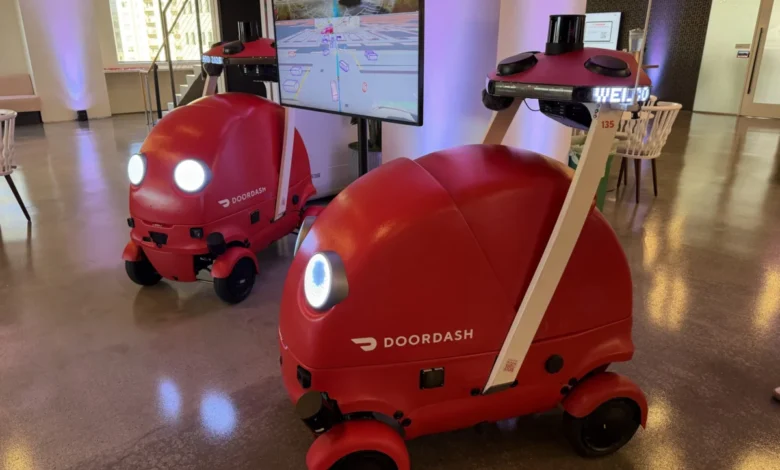
In a monumental shift for the e-commerce and logistics sectors, DoorDash Inc. has announced a definitive agreement to acquire its primary competitor in the last-mile delivery space, Instacart, for approximately 17 billion dollars. This high-stakes transaction, which remains subject to rigorous regulatory oversight and approval by Instacart’s shareholders, aims to consolidate the operations of two of the most influential platforms in the retail and grocery delivery ecosystem. The acquisition, to be financed through a strategic combination of cash, company stock, and debt instruments, represents one of the largest consolidation efforts in the history of the gig-economy and logistics sector.
A Strategic Alignment of Capabilities
The rationale behind this acquisition lies in the distinct but complementary strengths of the two entities. DoorDash, which has historically dominated the restaurant and prepared-food delivery market, has been aggressively expanding into broader retail categories, including grocery, pharmacy, and convenience store deliveries. Instacart, conversely, has spent over a decade perfecting the "personal shopper" model, building deep-rooted relationships with grocery retailers and developing complex backend technology designed to manage the high-touch, labor-intensive requirements of grocery fulfillment.
Tony Xu, co-founder and CEO of DoorDash, characterized the grocery sector as one of the most operationally challenging environments in online commerce. According to Xu, the complexity of grocery delivery—ranging from the subjective selection of fresh produce to maintaining the cold chain for frozen goods—requires a level of precision that goes beyond standard package delivery. By integrating Instacart’s purpose-built technology and deep institutional knowledge of the grocery sector with DoorDash’s extensive logistical infrastructure, the combined entity aims to create an unparalleled service offering for both merchants and consumers.
Industry Context and Market Dynamics
The online grocery market in the United States has experienced a period of explosive growth over the last five years, accelerated significantly by the COVID-19 pandemic and sustained by changing consumer behaviors. Data from industry research firm Brick Meets Click indicates that online grocery sales in the U.S. have grown by more than 20% year-over-year, capturing an increasingly larger slice of total grocery spending.
However, the sector remains hyper-competitive and notoriously low-margin. Companies like DoorDash and Instacart have faced mounting pressure from traditional brick-and-mortar giants—such as Walmart and Amazon—which have invested billions in their own vertical delivery capabilities. By joining forces, DoorDash and Instacart are positioning themselves to achieve the scale necessary to compete with these retail behemoths, effectively pooling their technological resources and delivery networks to lower operational costs and improve unit economics.
Anticipated Timeline and Operational Integration
The companies have disclosed an anticipated closing window between late 2027 and the first half of 2028, reflecting the complexity of the regulatory review process. Given the size of the deal and the potential impact on market competition, the transaction will likely face intense scrutiny from the Federal Trade Commission (FTC) and the Department of Justice (DOJ). Regulators will be primarily concerned with whether the consolidation of the two largest independent delivery platforms will result in higher prices for consumers or reduced bargaining power for small-to-medium-sized grocery retailers.
Until the transaction is finalized, both companies intend to maintain independent operations. Instacart is expected to continue its current business trajectory, focusing on its retail partnerships and enterprise technology products. Once the merger is complete, DoorDash intends to preserve the Instacart brand, recognizing the high degree of consumer recognition and the specialized nature of the platform’s interface.
The Future of Grocery Technology
Chris Rogers, CEO of Instacart, emphasized that the merger is a natural evolution for the brand. Over the past 14 years, Instacart has transitioned from a simple delivery app to a technology provider for major retailers, offering white-label solutions that allow grocers to run their own e-commerce storefronts. Rogers noted that combining these proprietary tools with DoorDash’s global consumer reach and logistics network will create a more robust "flywheel" effect, providing retailers with more ways to reach customers and offering shoppers a more seamless experience.
The integration strategy appears to focus on increasing market density. DoorDash has noted that the deal could potentially open up 50,000 additional stores to the combined platform’s user base. When added to the existing 100,000 stores already integrated into Instacart’s network, the combined entity will command an immense footprint in the North American retail landscape, potentially making it the default gateway for local shopping in thousands of communities.
Economic Implications for Local Retailers
A core tenet of the merger’s public-facing narrative is the "shop local" initiative. By digitizing a wider array of local merchants, the combined entity hopes to shift more e-commerce spending toward smaller, independent retailers that might otherwise struggle to compete with national chains. The argument presented by leadership is that through shared technology, the cost of entry for local stores to join an online marketplace becomes significantly lower.
However, labor advocates and retail analysts have raised questions regarding the impact on gig workers. Both DoorDash and Instacart rely on independent contractors to fulfill orders. As the companies integrate their platforms, questions surrounding the standardization of "pay-per-order" models, delivery times, and the classification of workers will likely become a focal point of public and regulatory debate. The consolidation may lead to increased efficiency in delivery routing, potentially increasing earnings for workers, or it could lead to further downward pressure on wages if the merged entity gains a monopoly-like grip on the local delivery labor market.
Analytical Outlook: The Path Forward
For investors and market analysts, the deal is viewed as a "defensive offensive." While the acquisition provides DoorDash with immediate access to a dominant grocery-focused technology stack, it also signals a transition in the industry from a "growth-at-all-costs" phase to a "profitability and consolidation" phase.
The successful completion of this merger will rely heavily on the companies’ ability to integrate vastly different technical architectures without disrupting the day-to-day operations of the thousands of retailers that currently rely on Instacart. Furthermore, the companies must navigate the legal challenges of being a dominant player in the "last-mile" delivery space.
If the deal is approved, the combined organization will be positioned to dictate the standards of the grocery delivery industry for the next decade. By owning the consumer-facing app, the merchant-facing technology, and the delivery infrastructure, DoorDash would effectively become the primary intermediary between the American grocery industry and the consumer. The next three to four years will be critical, as both firms prepare for the intensive integration process, manage the skepticism of regulators, and attempt to prove that the consolidation of two giants can ultimately benefit the retailers and consumers they serve.
As the industry moves toward this 2027/2028 horizon, the broader retail sector will be watching closely. The merger is not merely a financial transaction; it is a fundamental reconfiguration of how goods move from the shelf to the doorstep, representing a permanent shift in the digital commerce landscape. Whether this consolidation leads to the promised efficiencies or creates an unassailable market dominance remains the central question that will define the narrative of the coming years.
Related posts: